OpenAI launches Daybreak Red Team and Defense Factory for cybersecurity
OpenAI announced two new products on November 12, 2026, AI agents that test web applications like attackers and AI agents that prepare security patches.
OpenAI is expanding its Daybreak security platform with two products announced on November 12, 2026 at its "Cyber at the Frontier" keynote. The first, Daybreak Red Team, uses a team of AI agents to test a company's web applications the way a real attacker would. The second, Daybreak Defense Factory, takes those findings and prepares patches for engineers to review.
1. What Daybreak Red Team does
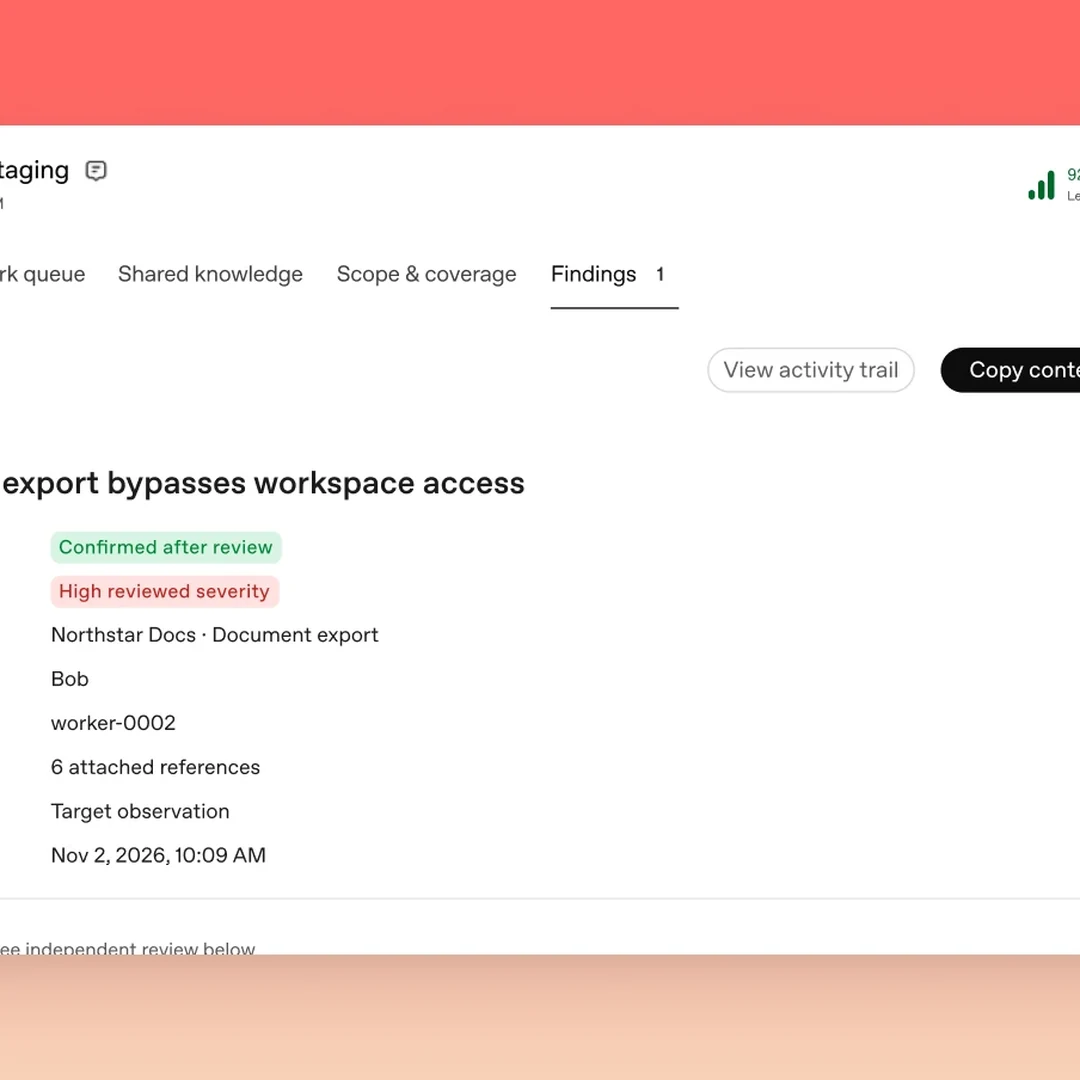
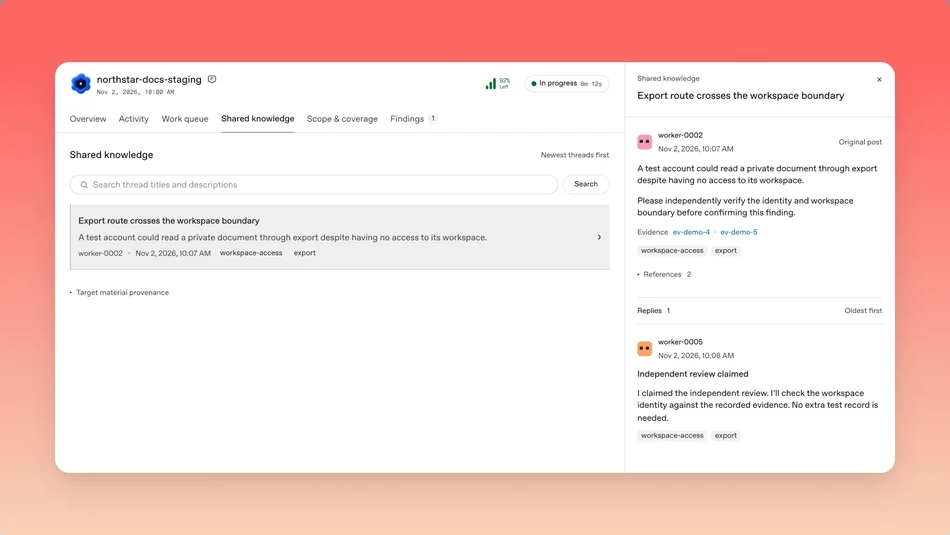
Daybreak Red Team is AI-assisted penetration testing for web applications. One agent coordinates the assessment, other agents investigate source code and application context, and reviewer agents check the results before they are reported.
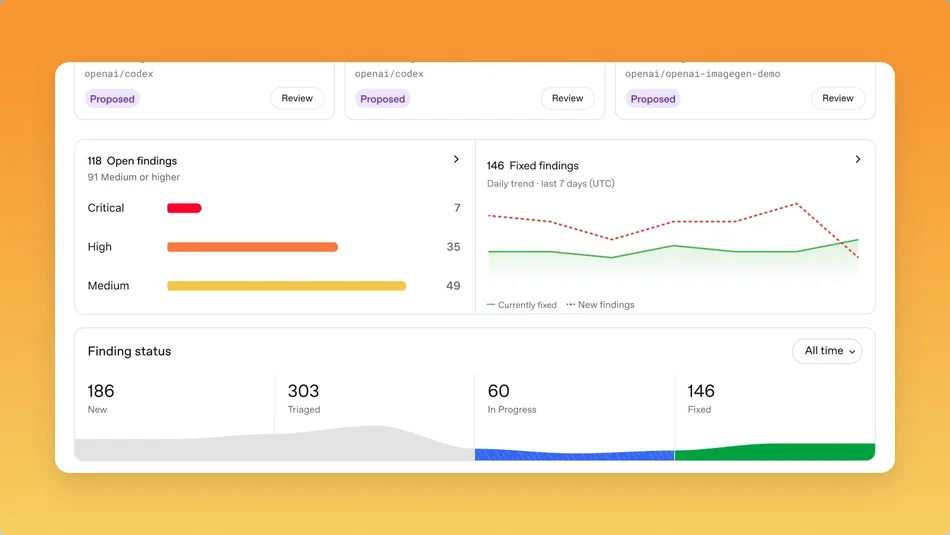
Each finding comes with a severity level, test evidence and report details. Security teams can also use Red Team to confirm whether a vulnerability reported through a bug bounty program or a scanning tool is actually exploitable, and to verify that a patch really blocks the attack.
Nancy Wang, who leads cyber-applied AI at OpenAI, described it as "superhuman pen-test at the scale of automated continuous scanning."
2. Daybreak Defense Factory: from vulnerability to patch
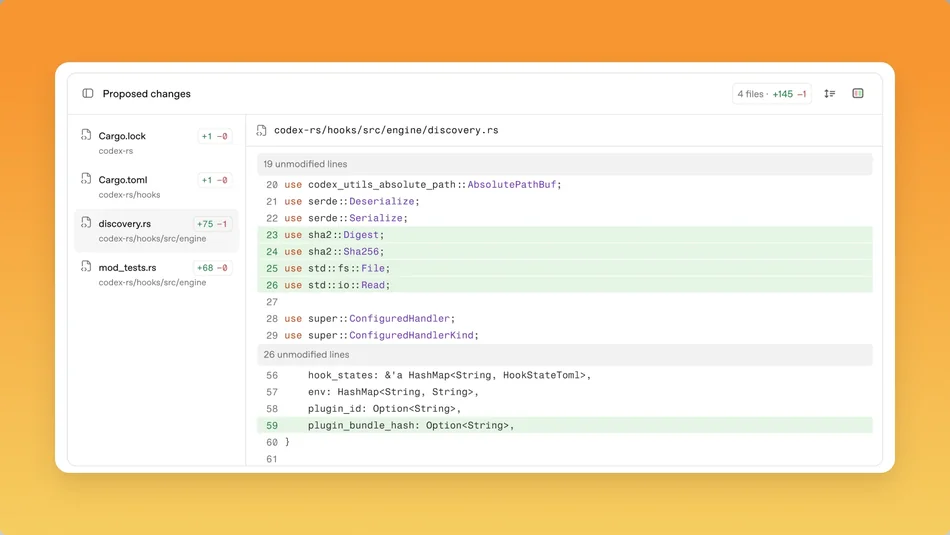
The second product closes the defensive loop. Its agents, built on the GPT-6 Cyber model, scan a company's code, investigate each vulnerability, and prepare a patch. Engineers still review and approve every patch before it reaches production.
The result is a merge-ready pull request that includes the patch and a test showing it works. Defense Factory can also pull findings from existing security tools such as Snyk or Semgrep, and from Daybreak Red Team.
3. Why OpenAI built this now
In a "Defense Factory" post on its site, OpenAI argues that traditional cyber defenses alone are no longer sufficient. AI agents can now run long-running cyber operations using open-weight models that are increasingly easy to obtain, and chaining several small weaknesses into a large attack can now happen autonomously.
OpenAI has already run this approach internally. In a recent security sprint, the company mobilized more than 250 people and used its latest cyber models to find, validate and fix vulnerabilities across its own systems.
OpenAI president Greg Brockman said during the keynote that companies will now be secure only to the extent of the frontier model they use for defense, and how well they use it.
4. Pricing and availability
OpenAI did not disclose pricing for either product. Daybreak Red Team is entering early access with select customers, and a waitlist registration form is now open. Daybreak Defense Factory is available through the Daybreak plugin in Codex.
This follows last week's release of the GPT-6 Cyber model, which is built specifically for security work and was initially limited to verified defenders through the Daybreak program. Read our report on GPT-6 Cyber for the details.
5. Context: a lawsuit on the same day
The announcement landed on the same day four nonprofit groups filed a lawsuit in San Francisco Superior Court against OpenAI, Anthropic, Google, Meta and SpaceX's AI division. The plaintiffs want a freeze on developing frontier AI, and cite AI-driven cyberattacks among their reasons. We covered that lawsuit separately here.
OpenAI, meanwhile, is pushing the defender narrative. Clint Gibler, who leads cybersecurity research at OpenAI, said the goal of these products is not to replace a human red team, but to help bridge the gap between what defenders can protect and the amount of code AI generates every day.
What it means for you
Penetration testing has long been expensive and scheduled once a year. Turning it into a continuous, agent-driven service changes the security baseline for every company.
- Your code needs to be agent-accessible. Both products work when agents can read your source code and your security tools. If your security process is still fully manual, start documenting your tools and workflows now.
- Engineers remain the decision makers. Defense Factory does not merge patches on its own. It is the same pattern as other AI development tools: machines prepare, humans approve.
- Security spend may move into the AI budget. With pricing unannounced, when it lands, compare the cost against contract pentesters and your existing scanning tools.
- Defenders get a head start, not a permanent lead. OpenAI itself notes that open-weight models mean attackers get the same technology. The defender's advantage lies in direct access to their own code, and that is all.
- Try before you buy. Red Team has a waitlist, so use the waiting period to measure your application's current security posture with conventional testing.
Sources
- Daybreak Red Team (OpenAI)
- Daybreak Defense Factory (OpenAI)
- The Defense Factory (OpenAI)
- OpenAI launches security products (The Register)
- OpenAI sees a new enterprise frontier in cyber (The Deep View)