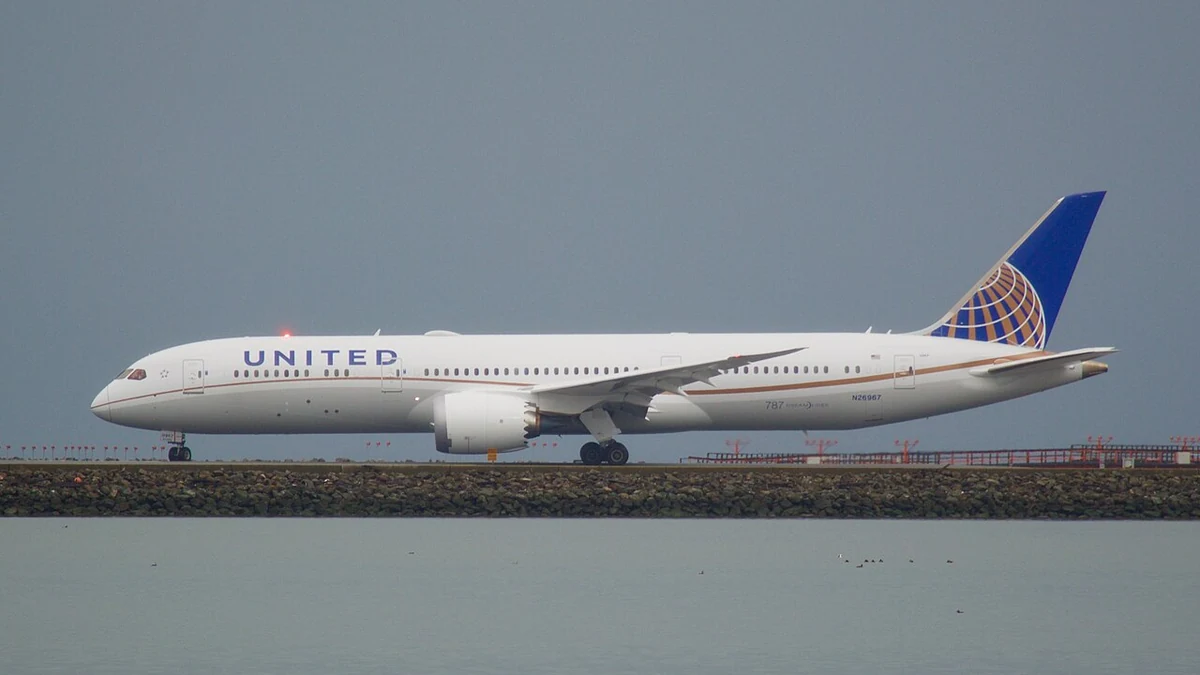
United Airlines blocks AI agents from booking flights for you
United Airlines announced restrictions on third-party AI agents across its digital platforms, citing data security and aviation regulations.
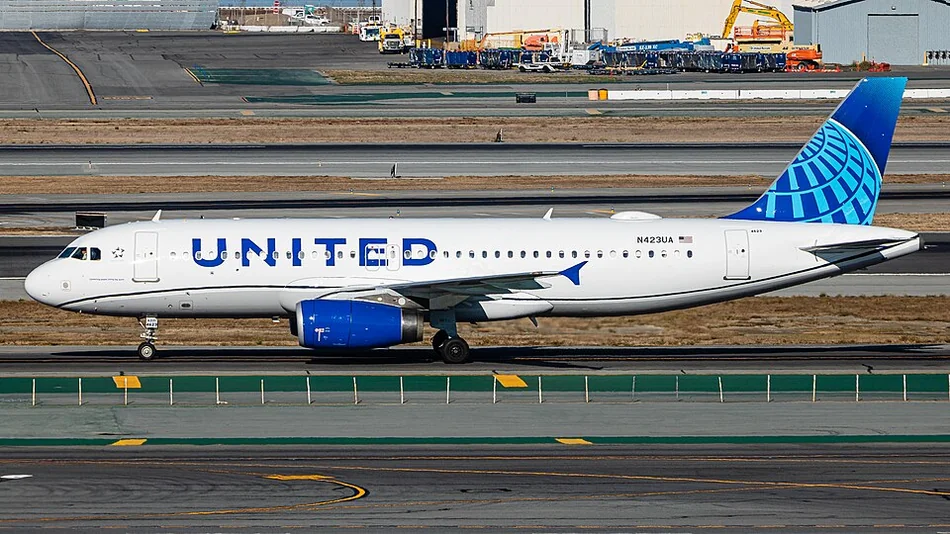
United Airlines has become the first US airline to announce publicly that it will block third-party AI agents from accessing customer accounts. In a November 11, 2026 press release, the company framed the move as protecting customer data and complying with aviation rules. The restrictions apply directly on United's own digital platforms, and indirectly through travel agencies and ticket aggregators.
1. What United announced
United said it is updating its booking, ticketing and distribution policies to prohibit "unauthorized, third-party personal AI agents or assistants". In practice, tools like ChatGPT, Claude or any assistant that books flights on your behalf are no longer permitted to deal with United.
The press release did not say when the restrictions take effect, how United will detect AI agent activity, or which AI products are affected. United also left the door open: the airline said it will keep evaluating how these tools interact with its services.
2. The account security reason
The main reason United gave is data security. If you hand your United account password to an AI assistant, sensitive information can be exposed if those credentials leak.
United also warned that actions taken by AI tools could result in unintended purchases, account changes, or use of MileagePlus miles without permission. The approach follows warnings from banks such as Bank of America, which the week before had urged customers not to share their banking passwords with AI assistants.
3. The aviation regulation reason
There is a legal dimension too. United said automated AI actions have the potential to violate FAA and DOT regulations, America's aviation and transportation authorities. The example it gave: flight check-in requires human acknowledgment that bags do not contain banned substances such as explosives.
In short, United believes some steps in air travel must be carried out by a person, not by a program acting on its own.
4. Other airlines took different paths
United is not alone in being cautious, but the industry is split. CNBC reported Amazon has blocked Meta's AI agent, Muse, while Walmart partnered with it. Online travel firms such as Expedia and Booking are meanwhile working with ChatGPT-parent OpenAI.
Southwest Airlines took the opposite approach: in October it launched a ChatGPT plugin that lets customers discover and shop for flights on the platform. American Airlines and Delta told Fast Company that some AI tools will still be allowed to complete bookings on their platforms.
5. The bigger context
United's move lands at a moment when AI agents are increasingly capable of planning and booking full trips, and large companies are struggling to tell real customers apart from AI systems acting for them. Banks, retailers and now airlines are converging on the same policy: a human must approve sensitive actions.
Bloomberg reported that United announced the restrictions ahead of the holiday travel season, when many people are expected to use AI to plan trips.
What it means for you
If you live in Malaysia and use AI agents for travel, the direct effect is clearest on flights to and from the United States.
- Do not share passwords for airline accounts with AI assistants. Beyond United's new policy, the account breach risk is high on its own.
- Book directly in the official app. United stresses its app is built for customers to manage their own travel, from seat selection to rebooking.
- AI chat is still fine for research. The restrictions target actions on your account, not general questions about destinations or fares.
- Watch for similar policies. If United moved first here, other airlines and booking sites will likely follow with comparable rules.
Sources
- United Restricts Access for Third-Party AI Agents (United Newsroom)
- United Airlines blocks AI agents from booking flights, citing cybersecurity risks (TechCrunch)
- United Airlines moves to block AI agents from its platform over security concerns (CNBC)
- United Airlines blocks AI agents from booking flights (The Washington Post)