ChatGPT can now generate GIFs with Images 2.6
OpenAI released Images 2.6 on 4 November 2026 with GIF generation, 50 percent faster output and two new API models.
OpenAI released Images 2.6 on 4 November 2026. The latest image model ships in ChatGPT, Codex and the OpenAI API, and brings a feature the tool never had before: animated GIF generation straight from a text prompt or an uploaded image. OpenAI says its platforms now generate 4 billion images per week, so this update reaches a lot of people.
1. GIFs from a plain sentence
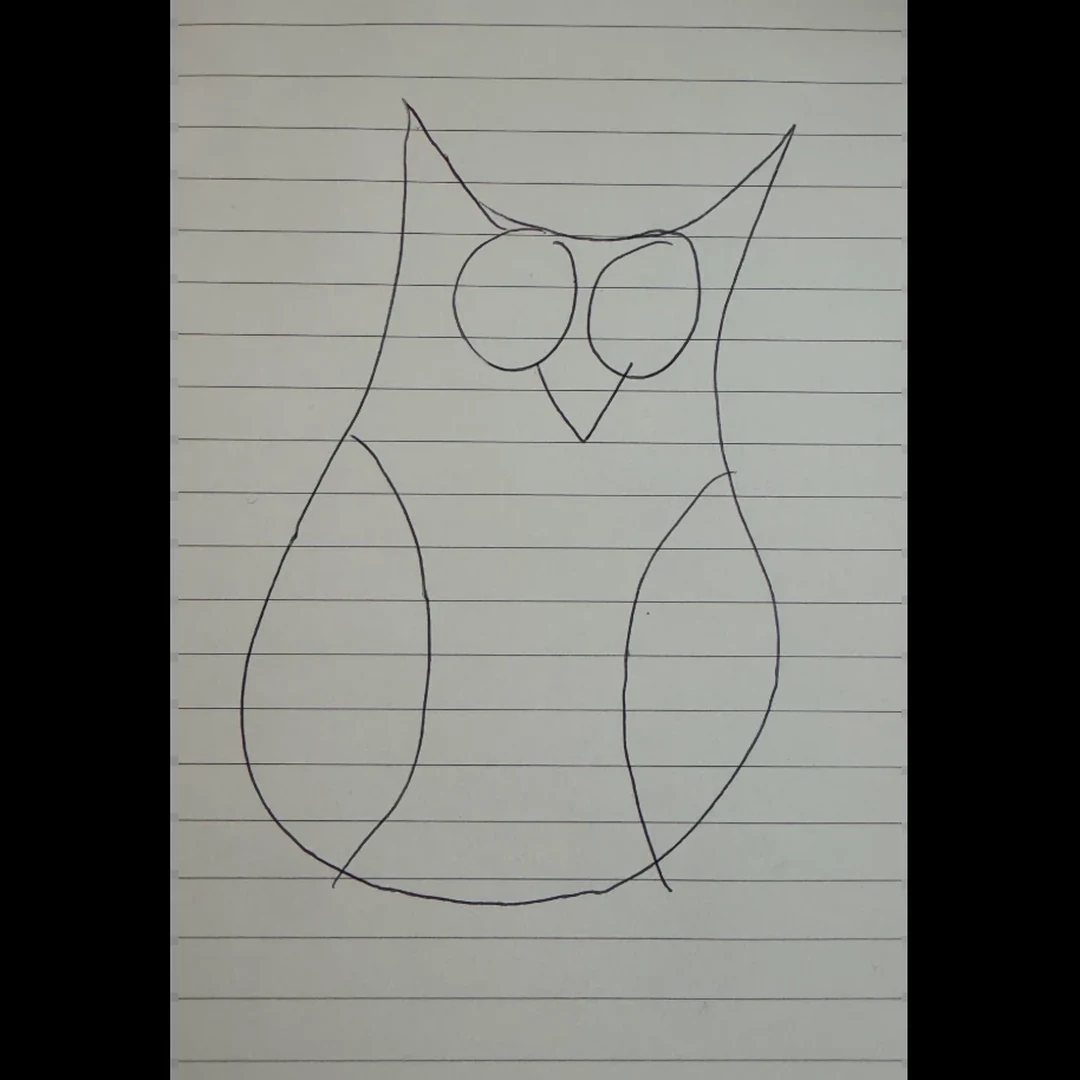
With Images 2.6, you describe the animation you want and the model produces a short looping GIF. You can also upload a rough sketch, like the pen-drawn owl on lined paper that OpenAI showed off itself, and pair it with a prompt to bring that character to life.
Before sharing, you can adjust the GIF's speed or edit individual frames. OpenAI positions the feature for marketers and creators: animate a brand mascot, produce memes for social media, or build animated storyboards before committing to video production.
2. 50 percent faster
OpenAI says Images 2.6 generates images 50 percent faster than the previous version. That figure comes from the company itself, not third-party testing, but it matches the update's focus on shorter edit cycles.
Editing also improved so characters, products and brand details stay consistent across multiple rounds of changes. For anyone who has edited an image repeatedly only to watch it drift each time, that is the problem being tackled.
3. Two new models for developers
In the API, developers choose between GPT-Image-2.6 Flare and GPT-Image-2.6 Sunburst. Flare is the fast option: at the low quality setting it can finish an image in as little as six seconds. Sunburst is the detail option, with higher-quality output and better consistency across edits at medium or high quality.
Both models keep the same pricing as GPT-Image-2.5: 8 dollars per million image input tokens and 30 dollars per million output tokens. So the speed gain arrives as a latency win, not a price cut.
4. New controls in the API
Images 2.6 also brings tools that previously lived only in ChatGPT into the API. Image markup lets developers mark a specific region of an image and request changes just there. SVG export makes generated designs directly usable for websites and print.
A new complexity parameter controls how much planning the model does before it draws. Low settings suit quick edits, while medium or high settings suit scenes with many elements or constraints.
5. OpenAI admits GIF moderation is harder
Alongside the model, OpenAI published a system card acknowledging that GIFs create new risks: still frames that pass review can become violations once played in sequence. On a deliberately adversarial test set, overall detection recall was 77.7 percent, meaning roughly one in five specifically crafted violating GIFs slipped through.
Category numbers differ: violent activities scored 96.6 percent, extremism 92.9 percent, hate and abuse 90.9 percent, while sexual content sat at 77.8 percent and self-harm at 77.5 percent. OpenAI itself says motion-related violations remain challenging to detect. Every output also carries C2PA provenance metadata plus SynthID watermarking from Google DeepMind.
What it means for you
This update makes short animation something you can produce in under a minute without editing software. For small businesses and creators in Malaysia, that means:
- GIFs for social media got easy. Your mascot or product can be animated directly inside ChatGPT, no designer or animation tool required.
- Every plan gets access. Images 2.6 is available across all ChatGPT subscription tiers on web, desktop and mobile.
- Check outputs before sharing. With 77.7 percent recall on the adversarial test set, do not assume every GIF output is perfectly filtered.
- SVG export helps web work. If you build sites or marketing assets, generated designs can be used directly without format conversion.
Sources
- Introducing Images 2.6 (OpenAI)
- ChatGPT Rolls Out Images 2.6 Model With Support for GIF Creation (PCMag)
- OpenAI's Images 2.6 Adds GIFs, and Flags Its Own Moderation Gap (RITS, NYU Shanghai)