OpenAI buys Pierre Computer to round out Codex
OpenAI has agreed to acquire Pierre Computer Company, the firm behind Code Storage and the open source Trees and Diffs libraries already used inside Codex.
On November 4, 2026, OpenAI announced it will acquire Pierre Computer Company Inc, the company behind the Code Storage service and a set of open source developer tools. Pierre's tools have quietly lived inside Codex for a while: if you have ever browsed files or reviewed a change in the Codex app, you were already using Pierre's Trees and Diffs libraries.
1. What Pierre actually makes
Pierre is a small company, but its work touches developer workflows every day. Trees helps developers navigate a project's files quickly, while Diffs shows what changed in a piece of code and lets a reviewer fix a line right where the problem appears.
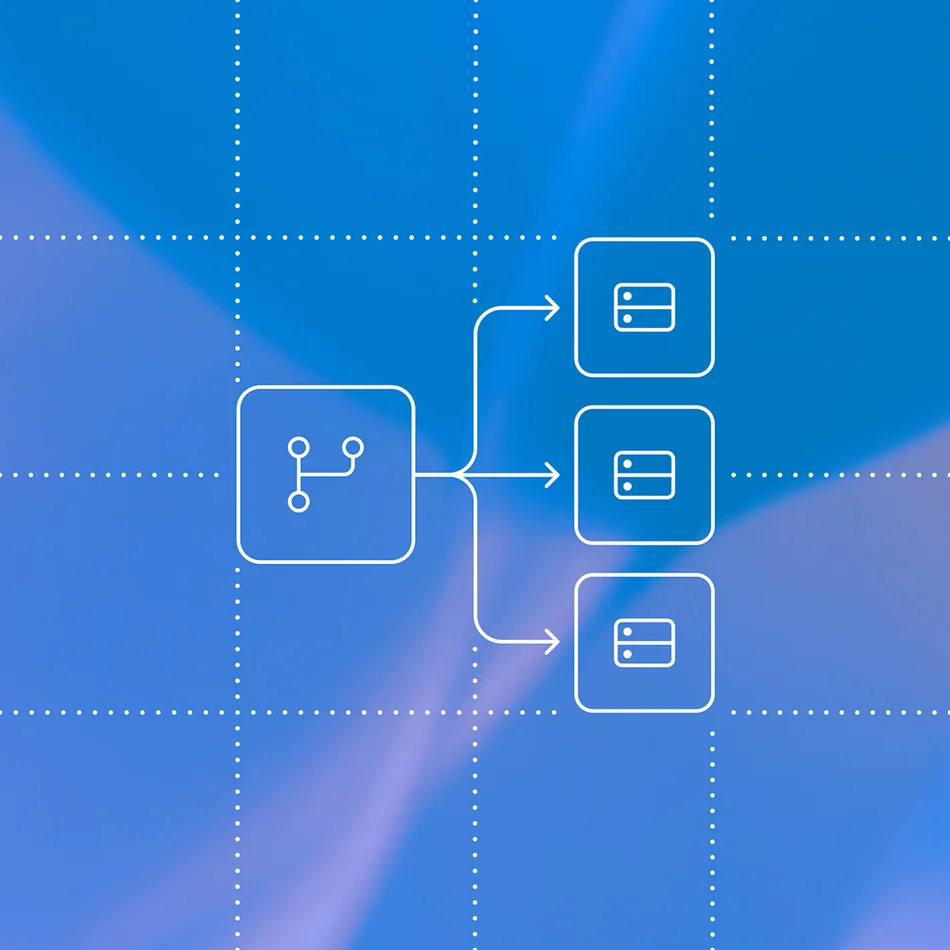
Pierre also recently shipped Highlights, a fast syntax highlighter that updates as a developer types or an AI agent streams code. Code Storage is a service that lets applications store code and track its history using Git.
2. Why OpenAI wants it
OpenAI says the systems around Git need to evolve because far more development now happens in parallel, especially with coding agents generating code continuously. A day before this announcement, OpenAI also described Pando, its in-house source control backend built for both engineers and AI agents.
In its statement, OpenAI said it wants Codex to be the place where developers and agents take on their most ambitious projects, from the first branch an agent creates to the moment code ships to the world. The purchase is clearly about the plumbing that stores and reviews code, not just the models that write it.
3. What happens for users
OpenAI has committed to keeping Pierre's open source projects open source and to keep contributing to them. Code Storage customers can keep using the service after the deal closes while its features are brought into Codex.
The purchase price was not disclosed. Closing is subject to customary conditions including regulatory approval, and until then OpenAI and Pierre remain separate, independent companies.
4. The bigger picture
This acquisition shows the AI coding platform race moving down the stack. The competition is no longer just about who has the smartest model, but who owns the complete environment: where code is stored, how changes are reviewed, and how releases ship, all redesigned for code written by AI agents at massive volume.
For developers in Malaysia already using Codex or similar tools, the immediate impact is small. But the direction is clear: the Git tools you rely on today are being rebuilt around how AI agents work, not only how humans do.
What it means for you
The tools you code with every day are being bought and merged by large AI companies. Here is what to do:
- Check your code storage options. If you use Code Storage, nothing changes immediately, but plan your migration once its features move into Codex.
- Try Codex as it stands. Trees and Diffs already run inside the app, so code review there keeps getting smoother.
- Compare alternatives. GitHub, GitLab and other platforms are also building for agent workflows; avoid locking into a single ecosystem.
- Learn agent-first workflows. Reviewing and merging AI-written code is becoming more valuable than typing every line yourself.