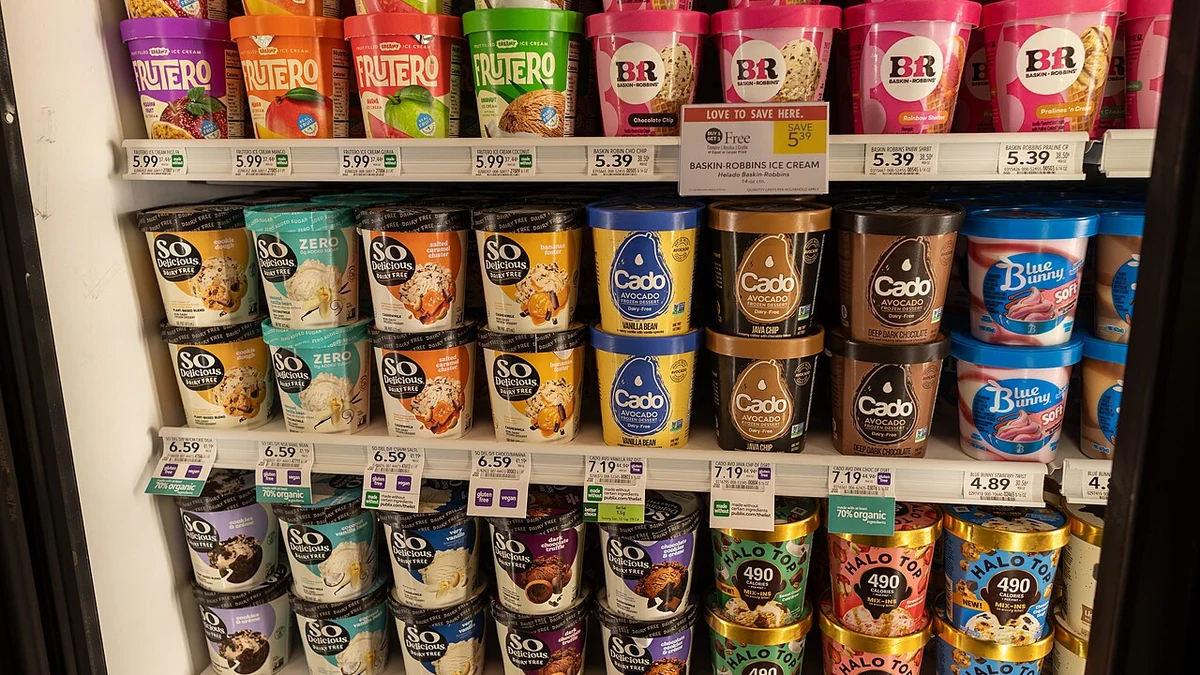
Iran confirmed behind European fridge cyberattacks, 15 fires sparked
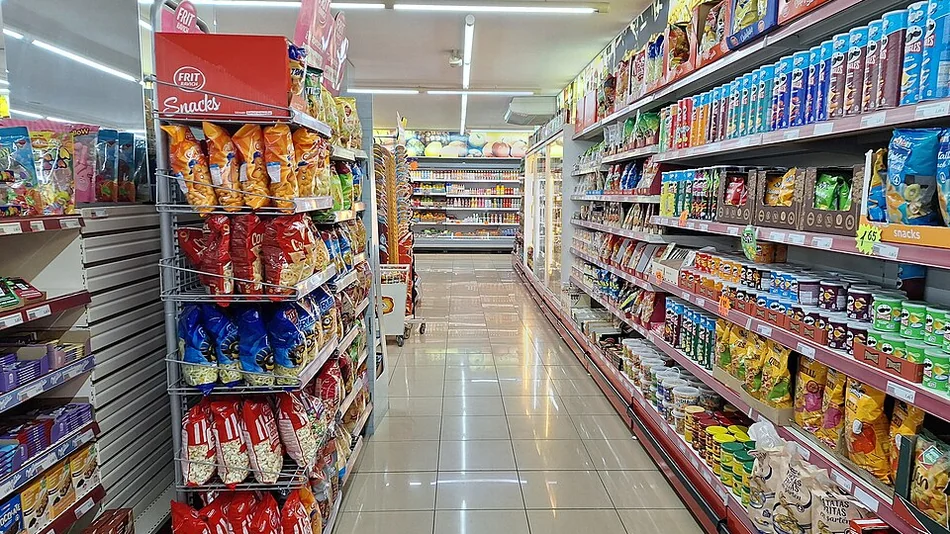
France officially accused Iran's Revolutionary Guard Corps of ordering cyberattacks on cooling systems at over 700 European supermarkets. The FBI and CISA issued a joint warning.
The French government officially accused Iran's Islamic Revolutionary Guard Corps (IRGC) of ordering the October cyberattacks on cooling systems at more than 700 supermarkets and other premises across Europe.
Foreign Minister Jean-Noël Barrot blamed Iran's Shahid Kaveh cyber unit and threatened EU-level sanctions. Iran rejected the accusation as baseless.
The damage done
The attacks remotely altered refrigerator and freezer temperature settings, destroying food products and sparking at least 15 fires.
France's blood service was hit too. Extreme temperature increases at three of its facilities threatened stored blood products, although no blood products were ultimately compromised.
A joint American warning
After the second wave of attacks in November, the FBI, CISA and America's Health, Agriculture and Transportation departments issued a joint warning.
It targets critical infrastructure operators: secure the industrial refrigeration controllers used in health care, food production, chemical facilities and transportation.
The second wave targeted Belgium, Estonia, Finland, Ireland, Luxembourg, the Netherlands and Sweden.
Why fridges
Fridge hacks sound absurd, but the logic is clear:
- Industrial appliances often run default passwords that were never changed
- They are internet-connected for remote monitoring, but rarely updated
- The damage is physical and immediate, not just data
Researchers have also tied parts of the attack pattern to Russia, as an added cost of the war for Europe. But France officially blames Iran only for its supermarket cases.
What it means for you
- Audit the smart devices you forgot exist. Fridges, CCTV, printers. List every internet-connected device on your premises and change default passwords.
- Update firmware. Industrial cooling units are expected to receive security updates after this warning. Make it a monthly routine.
- Think physical. Cyberattacks are no longer just data. Temperatures can rise, food can spoil, fires can start. Operational risk belongs in your security plan.
- Compliance is cheap, recovery is not. Changing passwords and updating firmware takes minutes. Replacing spoiled stock takes weeks.
Want to know which AI tools suit your work right now? See my picks on the AI Tools page.
Sources
- France blames Iranian hackers for supermarket attacks that sparked fires (BleepingComputer)
- France attributes grocery hacks to Iran-backed threat actors (Cybersecurity Dive)
- Are we entering a new normal of cyberattack threats? (The Week)